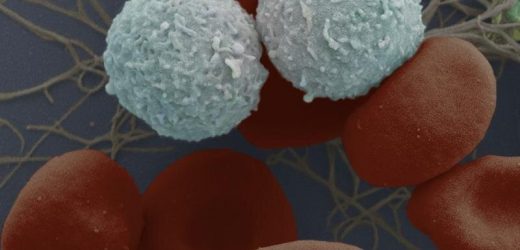
New mark for targeted leukemia treatment
Researchers led by the Francis Crick Institute have found that blocking a particular protein could offer a new way to target leukemic stem cells without causing harm to healthy stem cells. More than 3,000 people are diagnosed with acute myeloid…
Read More
How do we solve mental health problems such as depression?
We need to take a different approach to the problem. We must not only see symptoms such as tiredness and anxiety as signs of a disorder but also make them part of a bigger picture, of a network. That way,…
Read More
“At 32, I barely know anything about my own menstrual cycle – and I’m not alone”
Sure, you might use a moon cup and a period tracker, but much do you really know about your reproductive system? Probably not much, if you’re anything like Strong Women editor Miranda Larbi. Period positivity is really having a moment….
Read More
Sarah Beeny: McDonald’s once a week and smoking 30 a day – star’s former unhealthy habits
Sarah Beeny: Things to look out for when viewing a property We use your sign-up to provide content in ways you’ve consented to and to improve our understanding of you. This may include adverts from us and 3rd parties based…
Read More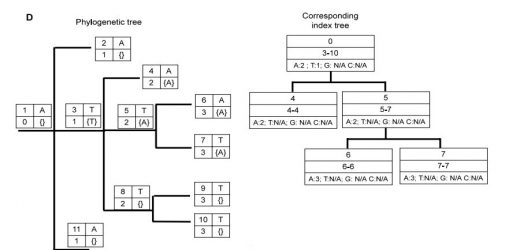
New phylogenetic tool can handle the SARS-CoV-2 data load
Researchers at UC San Diego, in collaboration with UC Santa Cruz, have developed a new software tool for tracing and mapping the evolution of the SARS-CoV-2 virus, that is capable of handling the unprecedented amount of genetic data being generated…
Read More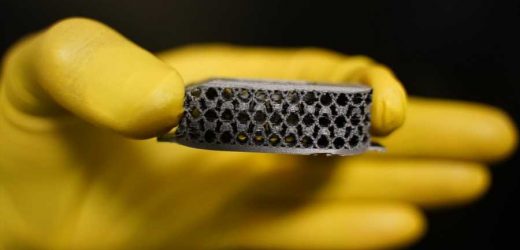
New research introduces self-powered smart implants to monitor spinal fusion healing
Spinal fusion—fusing two vertebrae together—can treat a wide variety of spinal disorders. Often, surgeons will use a cage to provide support where the disk once was between the vertebrae. But what if those cages could support the spine’s healing in…
Read More
Researchers discover two important novel aspects of APOE4 gene in Alzheimer's patients
Alzheimer's disease (AD) is a progressive neurodegenerative disorder and the most common cause of dementia, affecting more than 5.8 million individuals in the U.S. Scientists have discovered some genetic variants that increase the risk for developing Alzheimer's; the most well-known…
Read More
Structural racism cited in study of breast-biopsy delays: Unexplained disparities at screening sites influence the lag in follow-ups among nonwhite women, authors say
Black and Asian women are more likely than white women to experience significant delays in getting breast biopsies after a mammogram identifies an abnormality. Moreover, those delays appear to be influenced by screening site-specific factors that may stem from structural…
Read More
Modeling a devastating childhood disease on a chip: Environmental Enteric Dysfunction (EED) Chip reveals effects of nutrition and genetics on disease in children
Millions of children in low- and middle-income nations suffer from environmental enteric dysfunction (EED), a chronic inflammatory disease of the intestine that is the second leading cause of death in children under five years old. EED is a devastating condition…
Read More
Vitamin B12 deficiency: How does your mobile phone feel in your pocket? The ‘subtle’ sign
Dr Dawn Harper on signs of vitamin B12 and vitamin D deficiency We use your sign-up to provide content in ways you’ve consented to and to improve our understanding of you. This may include adverts from us and 3rd parties…
Read More